
How to Build Profitable Assisted Living Real Estate: Insights from Brett Shotkavous
Securing the right financing is the single biggest hurdle between a real estate investor and a profitable assisted living facility.
But what if you could crack the code—not just to funding, but to building a business that delivers stable, long-term income and makes a real impact?
I’m talking about assisted living real estate—a niche that has proven to be both financially rewarding and socially valuable.
On The Whole Enchilada of Real Estate Investing Podcast, I talked with Brett Chotkevys, who built Assisted Living Mansion, to cut through the complexity.
This guide breaks down the exact financing paths he used and how you can structure your deal to attract lenders.
Why Financing is Your Biggest Hurdle (And Biggest Opportunity)
Let’s be blunt: lenders and investors get nervous with “special use” properties. An assisted living facility isn’t a simple apartment building; it’s a hybrid of real estate and healthcare operations. This complexity is your filter—it’s what weeds out the crowd and creates opportunity for prepared investors like you.
Getting your financing right does more than fund construction. A solid capital stack:
- Protects Your Profit Margin: High-interest or short-term debt can sink your project before it opens.
- Attracts Quality Partners: Savvy equity partners look for founders who understand structured finance.
- Provides Essential Runway: You need capital to cover initial operating losses until you reach stable occupancy.
Brett’s journey from traditional investing to assisted living proves that mastering this hurdle is what separates a great idea from a thriving business.
How Brett Built His Assisted Living Real Estate Business
Brett’s journey from real estate investor to owner of Assisted Living Mansion didn’t happen overnight. There were a few key steps he took to ensure his success in this market.
Finding the Right Niche: Memory Care Mansions
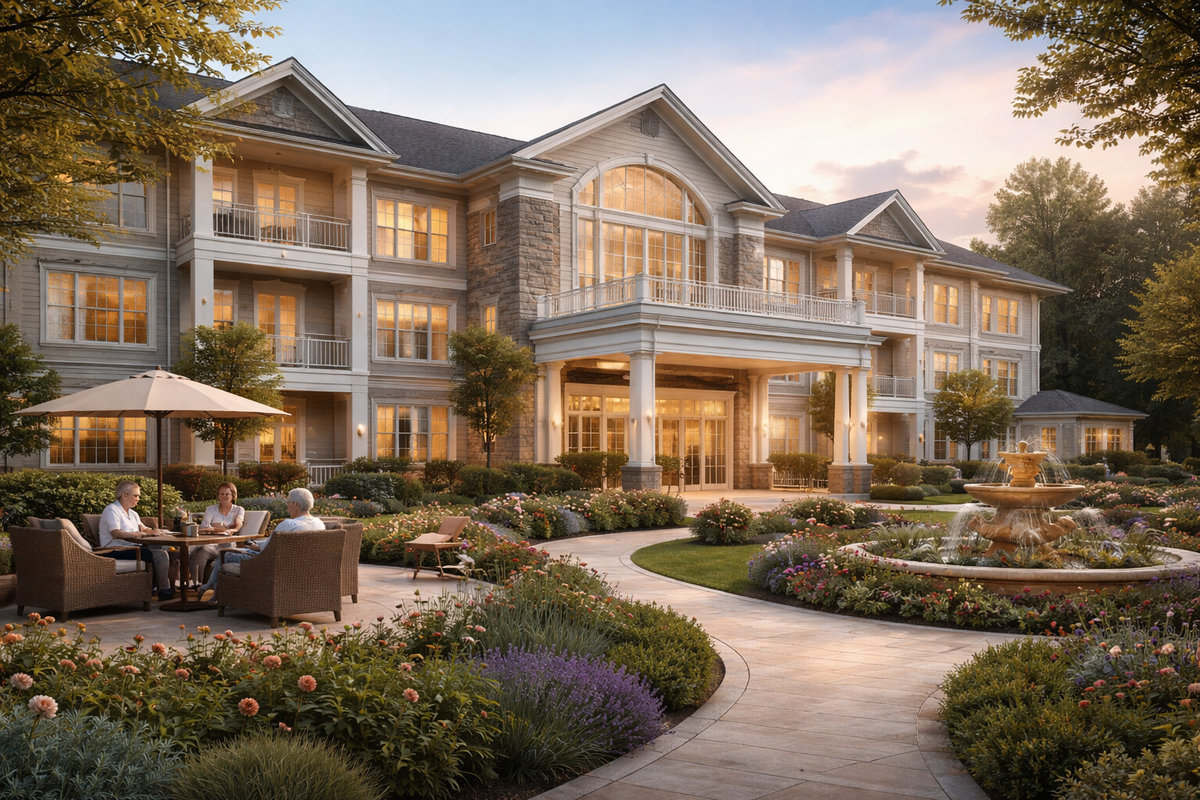
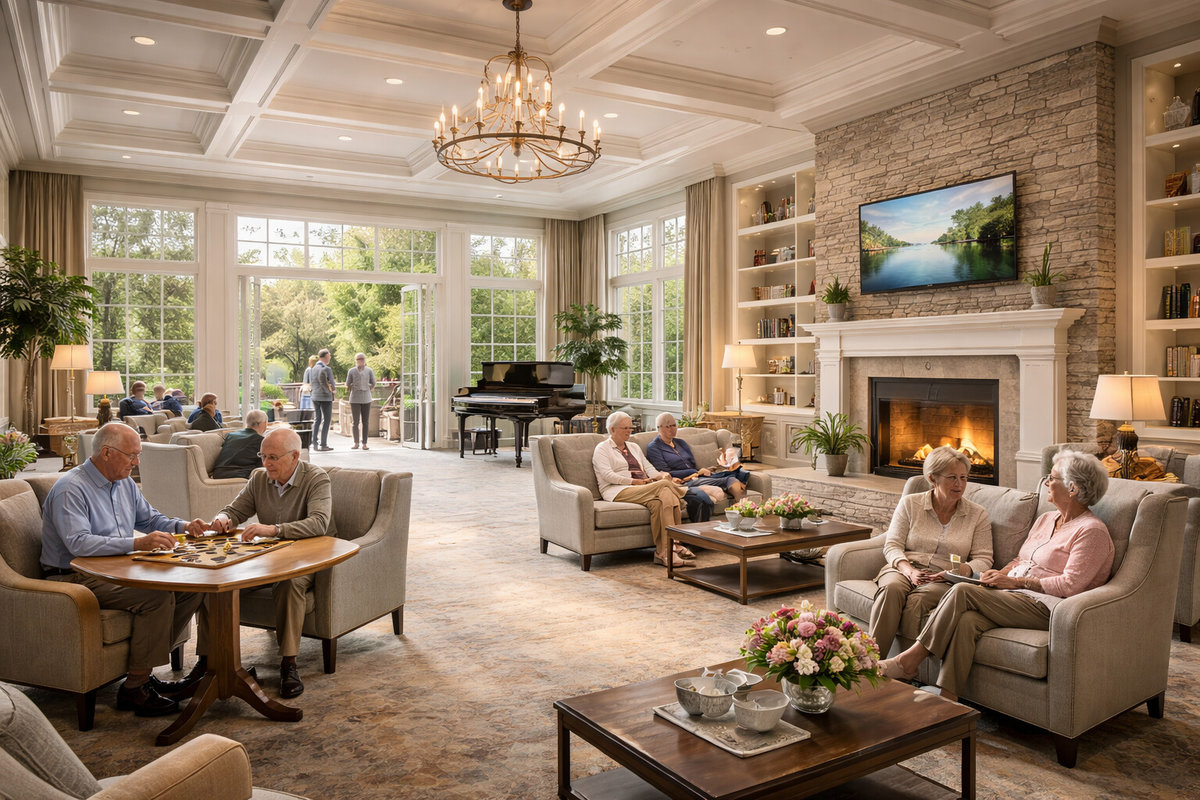
Memory care mansions are large, luxurious homes specifically designed for end-of-life care or individuals suffering from memory-related illnesses like dementia. Brett realized that the luxury care model stood out from the typical, institutional feel of larger assisted living facilities.
- 16 private rooms: Each resident has their own private space, which adds to the comfort and dignity they receive.
- High-end features: These properties aren’t just about providing care. They’re about creating a home-like environment that seniors would enjoy living in.
The shift to luxury memory care mansions was key. Brett didn’t just want to create a place for people to stay. He wanted to create a haven that felt welcoming and personalized.
Navigating Regulations and Licensing
One of the biggest hurdles to entering the assisted living market is compliance with local regulations. Brett emphasizes that you can’t just buy a property and start caring for seniors. There are zoning laws, licensing requirements, and healthcare standards that must be met.
- Zoning: Assisted living facilities typically need mixed-use or R4 zoning. Residential zoning can limit your options, so choosing the right property is essential.
- Licensing: Each state has its own rules for running assisted living facilities, especially those for memory care. Brett advises working with local authorities to make sure everything is set up properly.
The due diligence involved in understanding zoning laws and securing proper licensing might seem overwhelming at first, but it’s critical for the success of the business. Get this right, and it’ll save you from costly delays and fines down the line.
3 Proven Financing Paths for Assisted Living Facilities
Building an assisted living facility requires significant investment. You’ll need funding for land acquisition, construction, and ongoing operations. Several financing options are available, including SBA loans, private investors, and partnerships.
- SBA Loans: Low-interest rates with long repayment terms. Ideal for most real estate developers.
- Private Investors: Family, friends, or real estate groups willing to provide capital in exchange for equity.
- Partnerships: Collaborate with other professionals, such as real estate developers or healthcare providers, to pool resources.
I’ve collaborated with experts to provide a podcast concierge service, which has streamlined processes and ensured seamless production, much like the teamwork required in launching an assisted living real estate business.
Steps to Get Started in Assisted Living Real Estate
If you’re thinking about getting into assisted living real estate, Brett offers a straightforward path to follow.
- Research the Demand: Begin by understanding the local demand for senior care services. This is especially important if you plan to enter memory care. Talk to healthcare providers and families to understand the gaps in your area.
- Understand the Legal Requirements: Make sure the property is zoned for assisted living and meets all state-specific licensing regulations. Hiring a zoning consultant or real estate attorney can save you time.
- Secure Financing: Look into SBA loans, private investors, or even partnerships with other professionals. Make sure you have a solid business plan to present to lenders or investors.
- Choose the Right Property: Look for properties with the right zoning for assisted living. Consider new construction to avoid the challenges of converting an older building to meet the needs of assisted living.
- Hire Qualified Staff: Hire experienced caregivers and facility administrators who specialize in senior care. The quality of care will determine your facility’s reputation and long-term success.
- Market Your Facility: Building a strong online presence and connecting with healthcare providers will help attract families to your facility. Word of mouth and referrals will be key.
Why This Business Works for Real Estate Investors
Brett’s model of luxury memory care mansions has proven to be a winning formula. It’s a business that offers:
- Steady income from resident fees
- Less competition compared to traditional real estate investments
- The ability to make a real difference in the lives of seniors and their families
By focusing on a high-quality, personalized care model, you can create a profitable business that meets an ongoing societal need. Assisted living real estate is not just a business venture; it’s a way to leave a positive legacy in your community.
Curious to hear more from Brett Shotkavous? Tune in to the full episode of The Whole Enchilada of Real Estate Investing Podcast for all the insights!
Your Next Steps Toward Building Profitable Assisted Living Real Estate
Building a profitable assisted living real estate business doesn’t happen overnight, but following the right steps can help you create a long-lasting, sustainable income stream.
Researching the market, understanding the legal requirements, securing financing, and offering top-tier care are key to making your facility successful.
If you’re ready to embark on this journey or need guidance along the way, connect with me to learn more and get started!
Apply as a Guest on The Whole Enchilada of Real Estate Investing Podcast
Are you a high-performing real estate agent with a story worth sharing? Apply to be a guest on The Whole Enchilada of Real Estate Investing Podcast! It’s a great way to share your expertise, grow your personal brand, and connect with a wider audience.
Marigona Gllarevaa – Jan 01, 1970